
Understanding the psychological impacts of gambling on decision-making processes
The Nature of Gambling and Its Appeal
Gambling has become a widespread activity, attracting millions worldwide due to its thrilling nature. The anticipation of winning, the risk involved, and the potential for large rewards contribute to its allure. This excitement often leads individuals to engage in behavior that they might not otherwise consider in their everyday lives, dramatically altering their decision-making processes. For a premier experience, many players are turning to Safeau Casino, where excitement meets security.
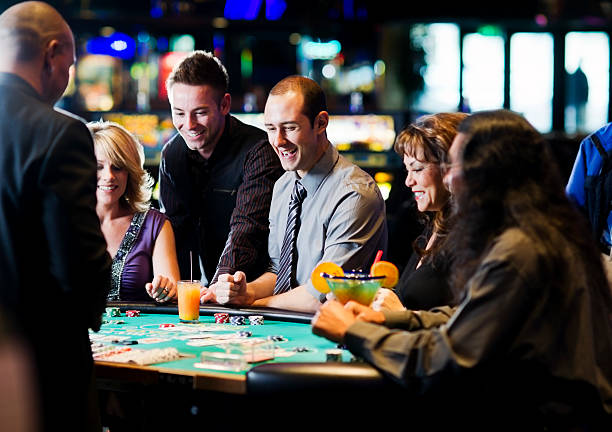
The psychology behind gambling is deeply rooted in human behavior. Factors like risk-taking, impulsivity, and the thrill of uncertainty play significant roles. For many, gambling is not just a game; it transforms into a significant emotional experience that can sway decisions, often overriding logical thought processes.
The Role of Cognitive Biases
Cognitive biases are systematic patterns of deviation from norm or rationality in judgment. In the context of gambling, these biases can heavily influence decision-making. For example, the illusion of control leads players to believe they have influence over random outcomes, despite games being based solely on chance. Such biases can prompt gamblers to take greater risks than they normally would.
Additionally, the gambler’s fallacy—where individuals believe that past events affect the likelihood of future outcomes—can lead to erroneous decision-making. A player may continue to gamble under the belief that they are “due” for a win, resulting in increased losses and potentially harmful behaviors.
The Emotional Impact of Gambling
The emotional aspect of gambling is profound and often intertwined with its psychological effects. Winning can induce feelings of euphoria, reinforcing the desire to gamble more. Conversely, losses can lead to feelings of despair and frustration, prompting players to chase losses in an attempt to regain their previous winnings.
This cycle of emotions can cause individuals to make impulsive decisions that are not in their best interest. Over time, this emotional rollercoaster can affect personal relationships, financial stability, and mental health, emphasizing the need for awareness regarding the psychological impacts of gambling.
The Development of Problem Gambling
As the allure of gambling grows, so does the risk of developing problematic behaviors. Problem gambling is characterized by an inability to control gambling habits, leading to detrimental consequences in various aspects of life. Understanding the psychological factors contributing to this condition is crucial for prevention and intervention.
Factors such as stress, social pressures, and underlying mental health issues can exacerbate gambling behaviors. As individuals seek solace in gambling during challenging times, they may find themselves trapped in a cycle of compulsive gambling, further complicating their decision-making processes.

Safeau Casino: A Responsible Gaming Environment
At Safeau Casino, we prioritize creating a secure and responsible gaming environment. Understanding the psychological impacts of gambling is essential for promoting healthy gaming behaviors among players. Our platform offers resources and support for those who may need help, ensuring that entertainment does not compromise well-being.
By fostering awareness and encouraging responsible gaming practices, we aim to enhance your gaming experience while safeguarding your mental and emotional health. Join us today and explore a world of exciting gaming options, all within a framework that values your safety and satisfaction.